We have another early morning river tour, which takes a bit longer because our guide is determined to track down some Borneo pygmy elephants for us. And he finds them. Somehow. Well, for a brief moment, I glimpse some leathery elephant skin through the leaves of the plants along the bank, and they're gone before we reach a spot with better visibility. Afterward, we linger for quite a while, hoping for a second chance, which unfortunately doesn't materialize. But technically we saw them. It was just a matter of ticking off the "Borneo Big 5" for our tour.

(I'm only linking this here because I like their Big 5 poster)
For me, it's less about ticking off a list than about what we see being a moving experience. The completeness of a list is secondary to me.
And anyone who knows me knows that bats are more important to me—and that's exactly what's on the agenda this afternoon. Finally! 🦇🥰
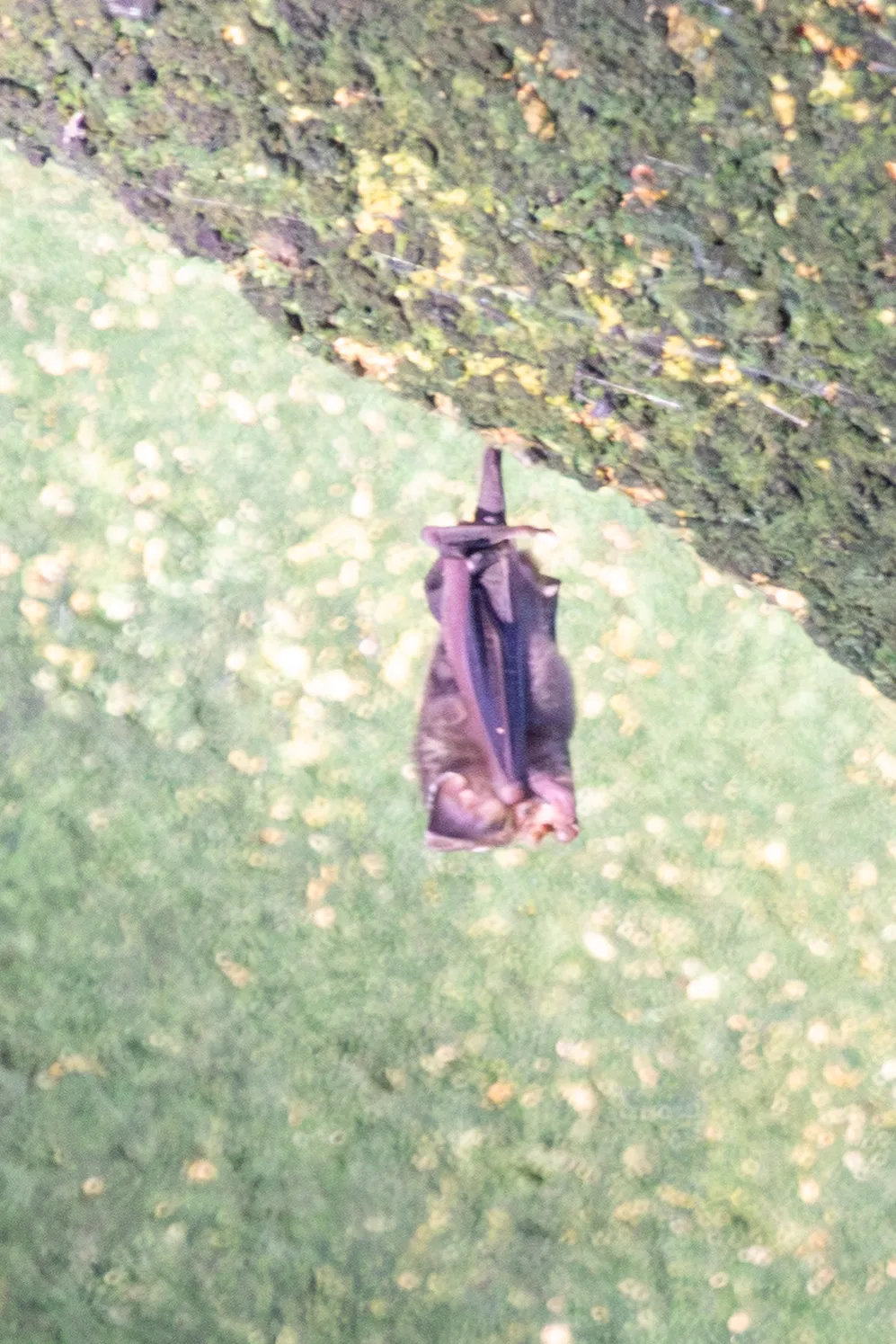
We're off to Gomantong Cave, where millions of bats and birds live together. The bird nests are regularly "harvested" by local workers and then sold as a delicacy. Unfortunately, I forgot my floodlight. Of all things! But it wouldn't have helped me much anyway, because the cave is so tall that it wouldn't have been enough to illuminate anything there effectively. And even with my 300mm travel zoom lens, there's not much I can do with the size of the bats.
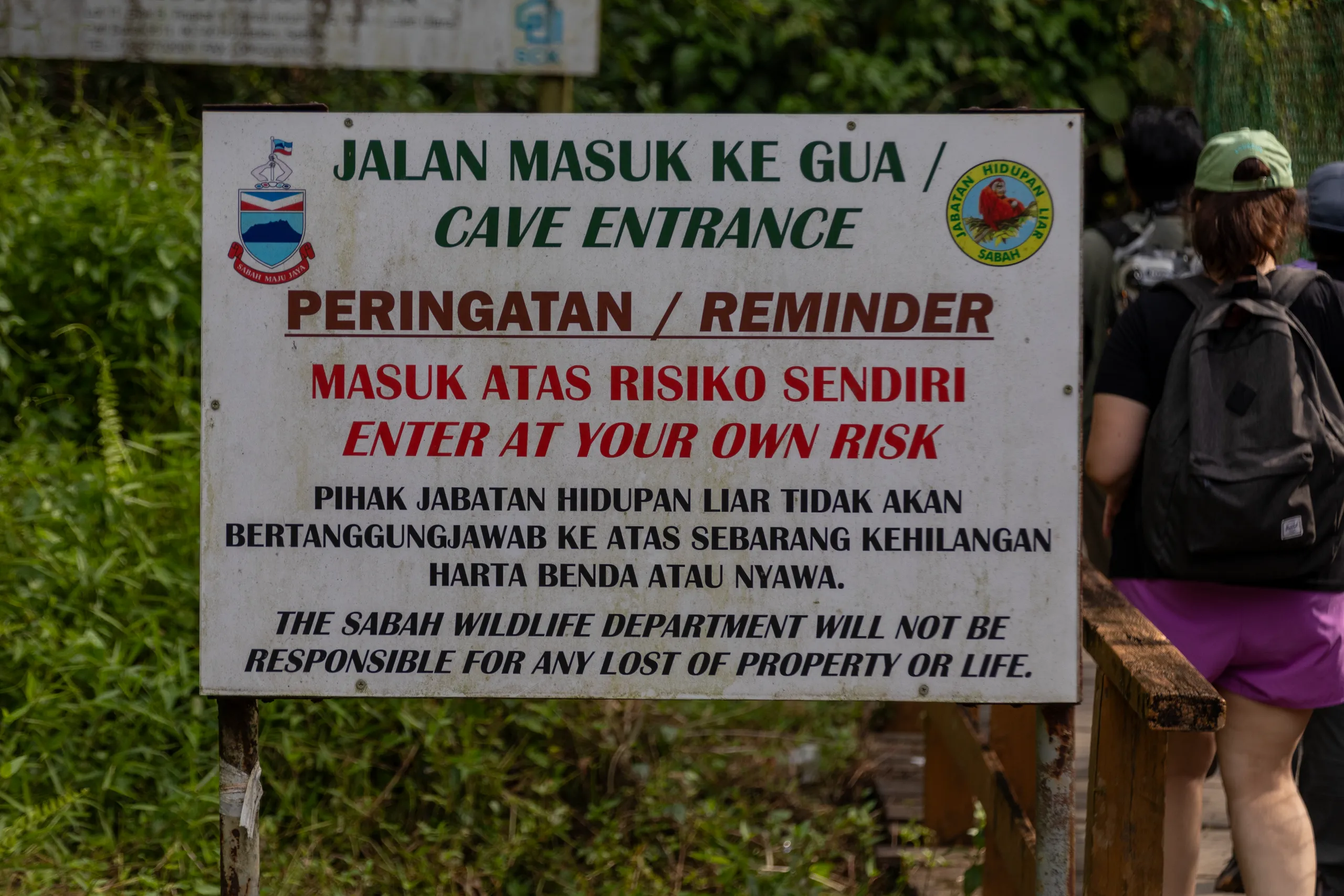
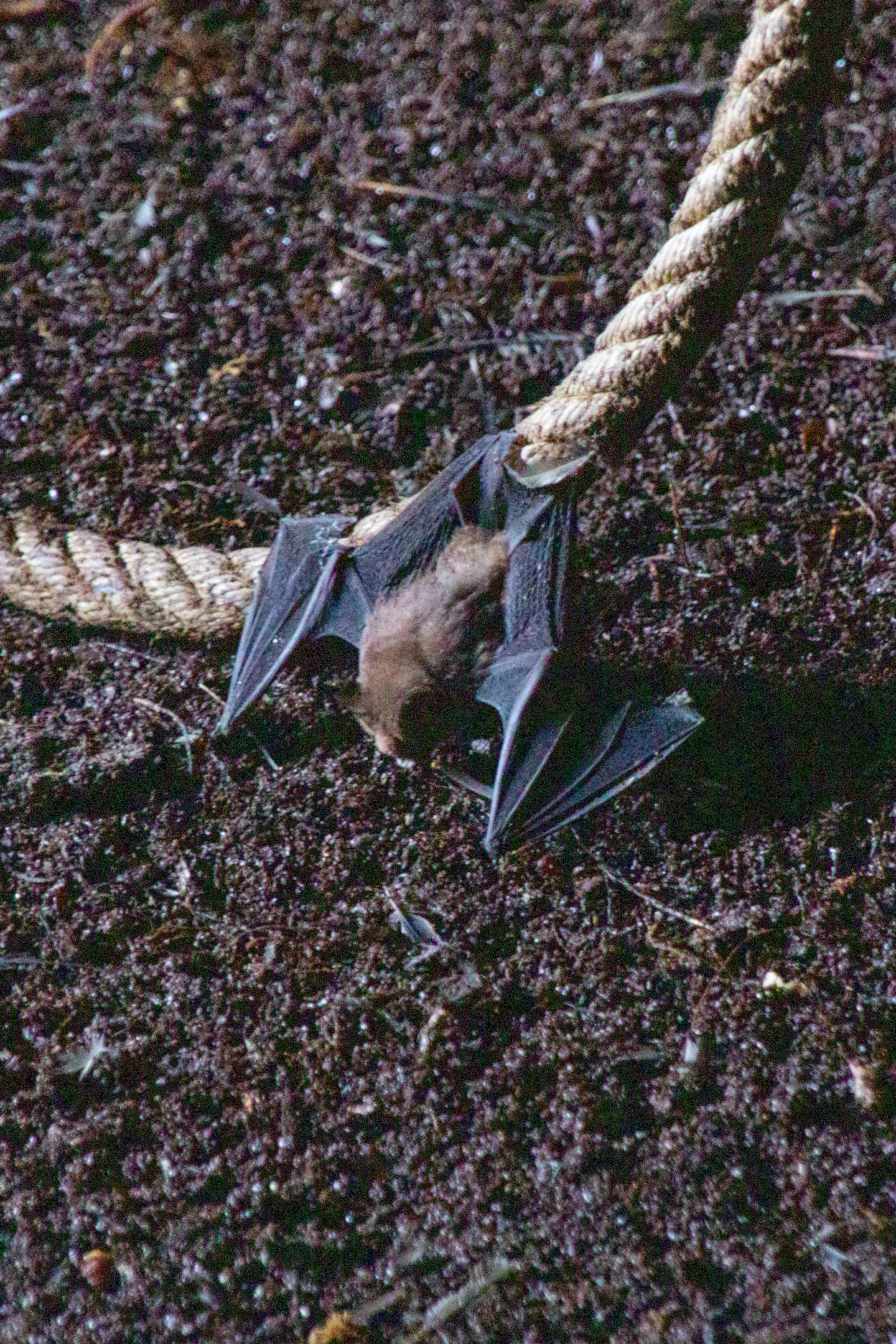
Before entering the cave, we put on helmets; we're already wearing long trousers. We're also given gloves, but I take them off straight away because they get in the way when using the camera. We do this because the entire cave floor is covered in bat guano, making it very slippery in places. None of us is keen on slipping here. Looking up for too long to find a subject with the viewfinder can also be dangerous. At the very least, keep your mouth closed. Thank me later. Towards the middle of the cave, it builds up into a veritable mountain of guano, and upon closer inspection, you can see countless insects that have made their habitat there. If a bat were to fall in here, especially a young one, it's pretty much its death sentence. Unfortunately, we see a few that suffer that fate and are eaten alive. One, however, seems to fly down there on purpose and it helps itself to the insects like a buffet.

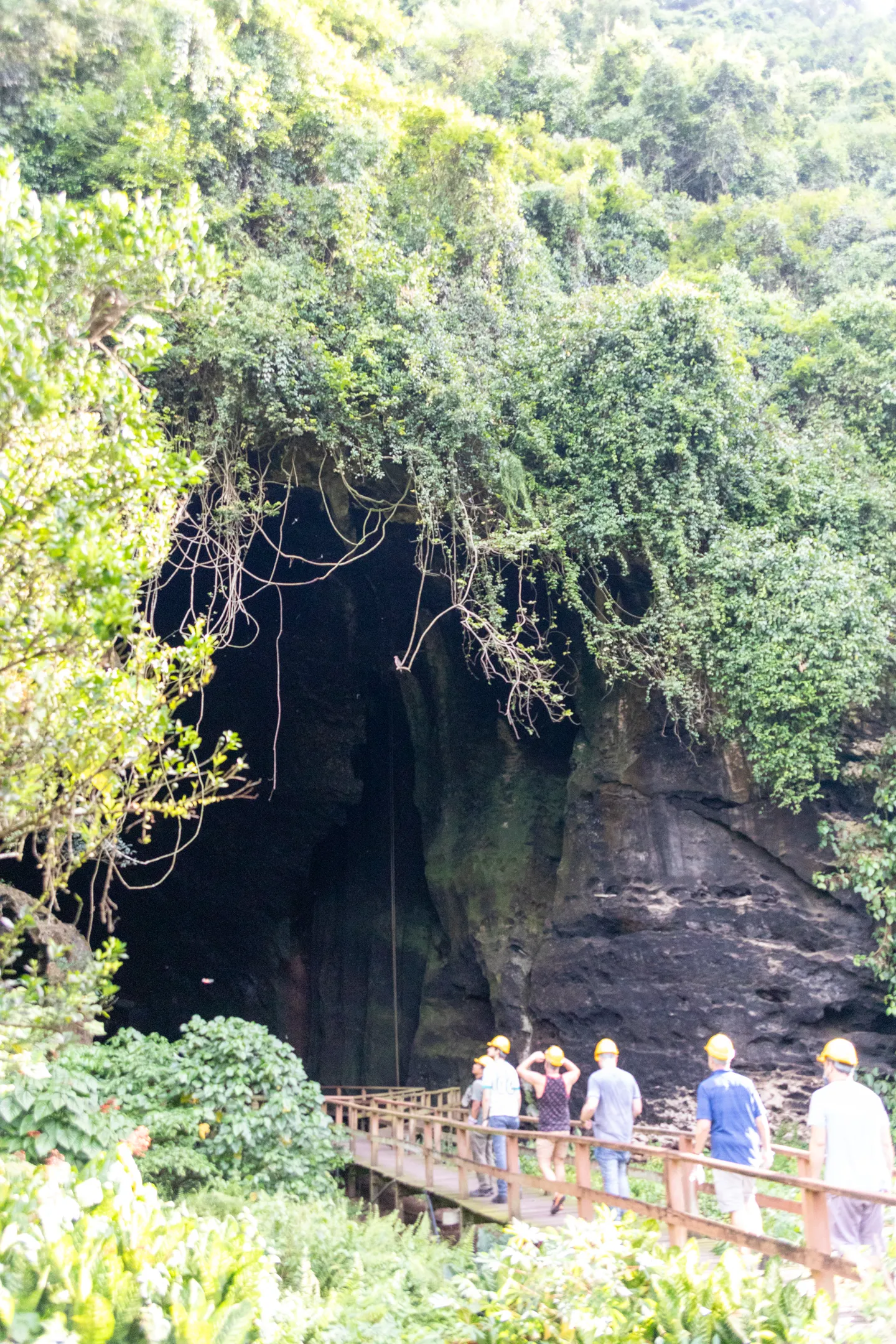
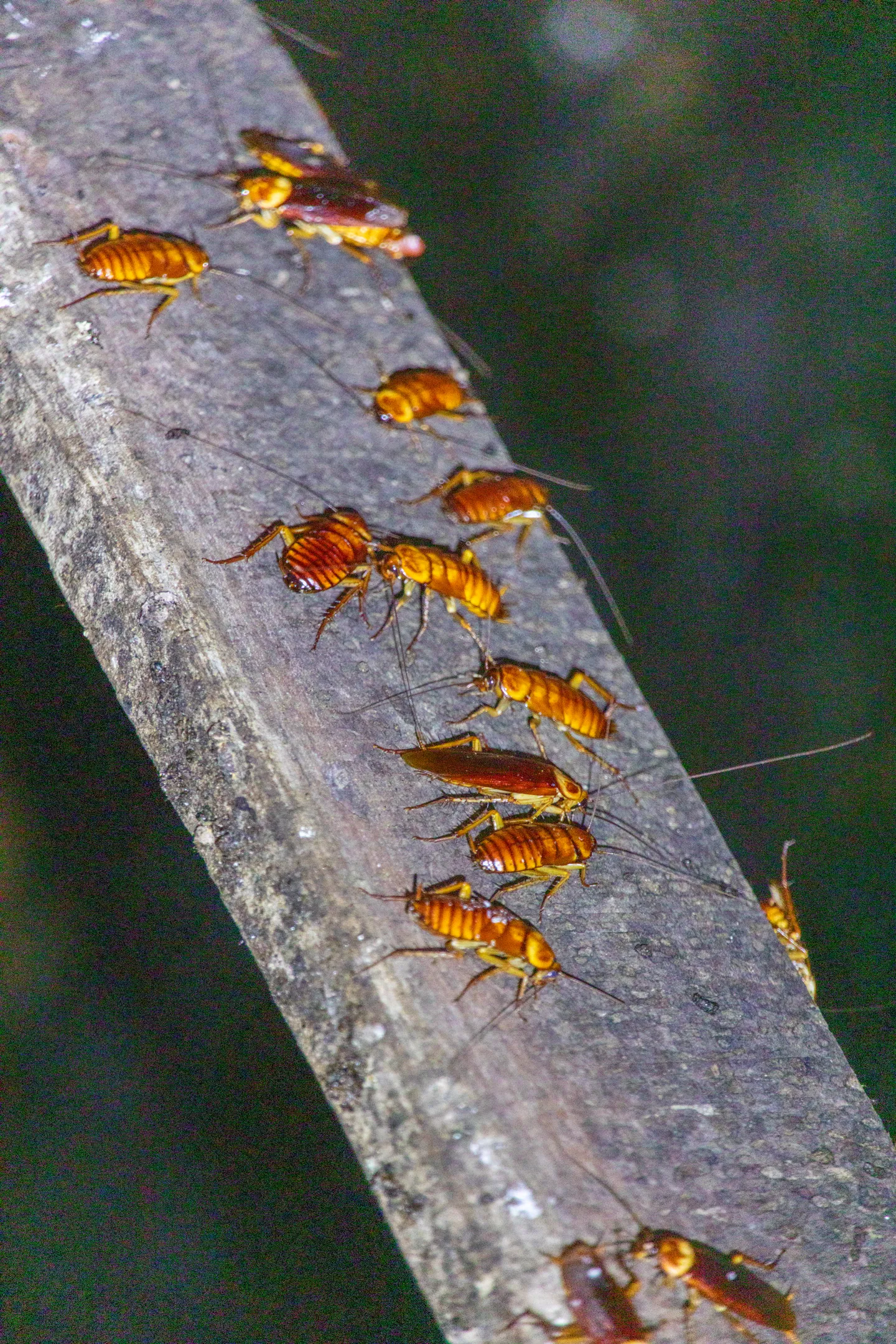
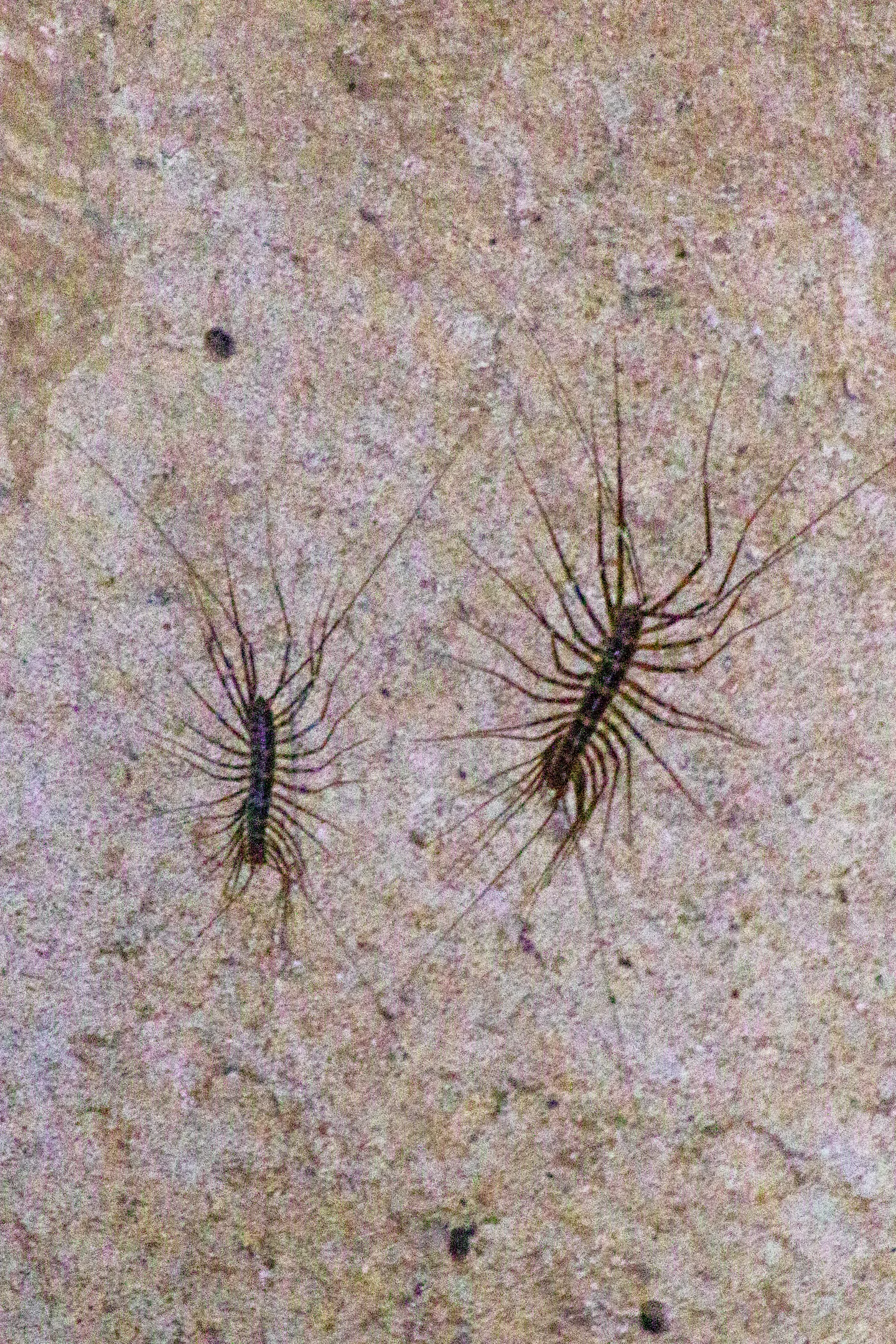
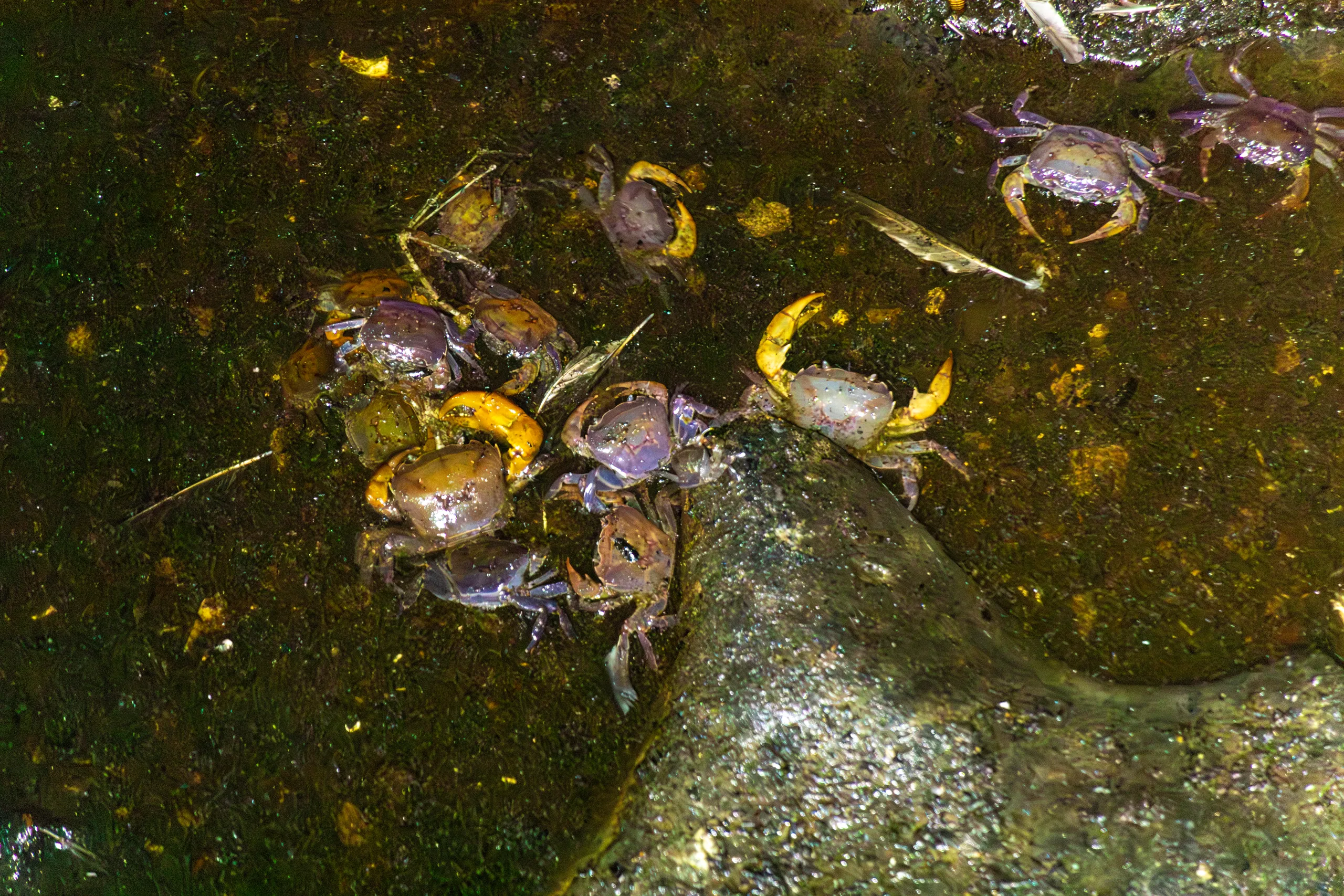
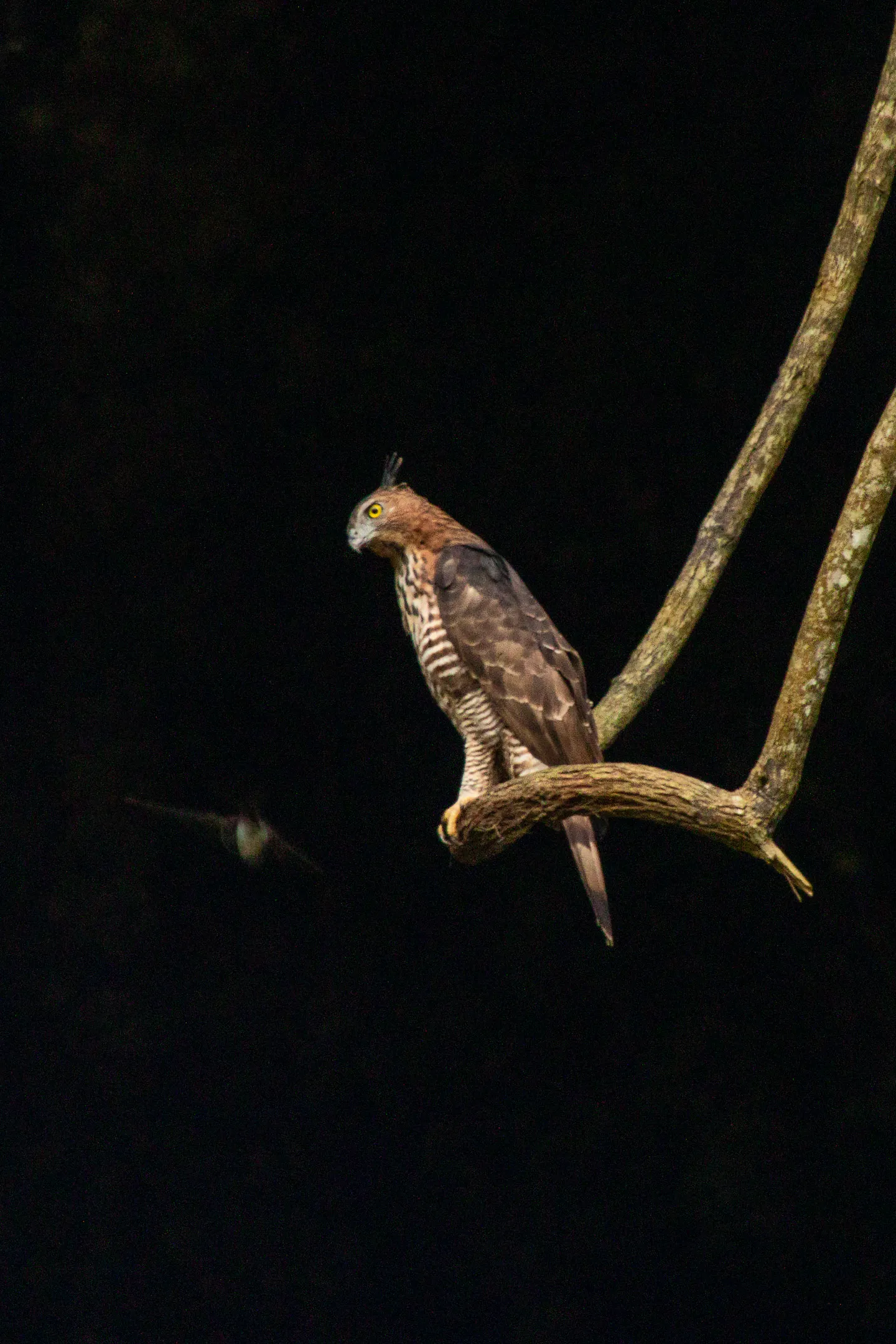
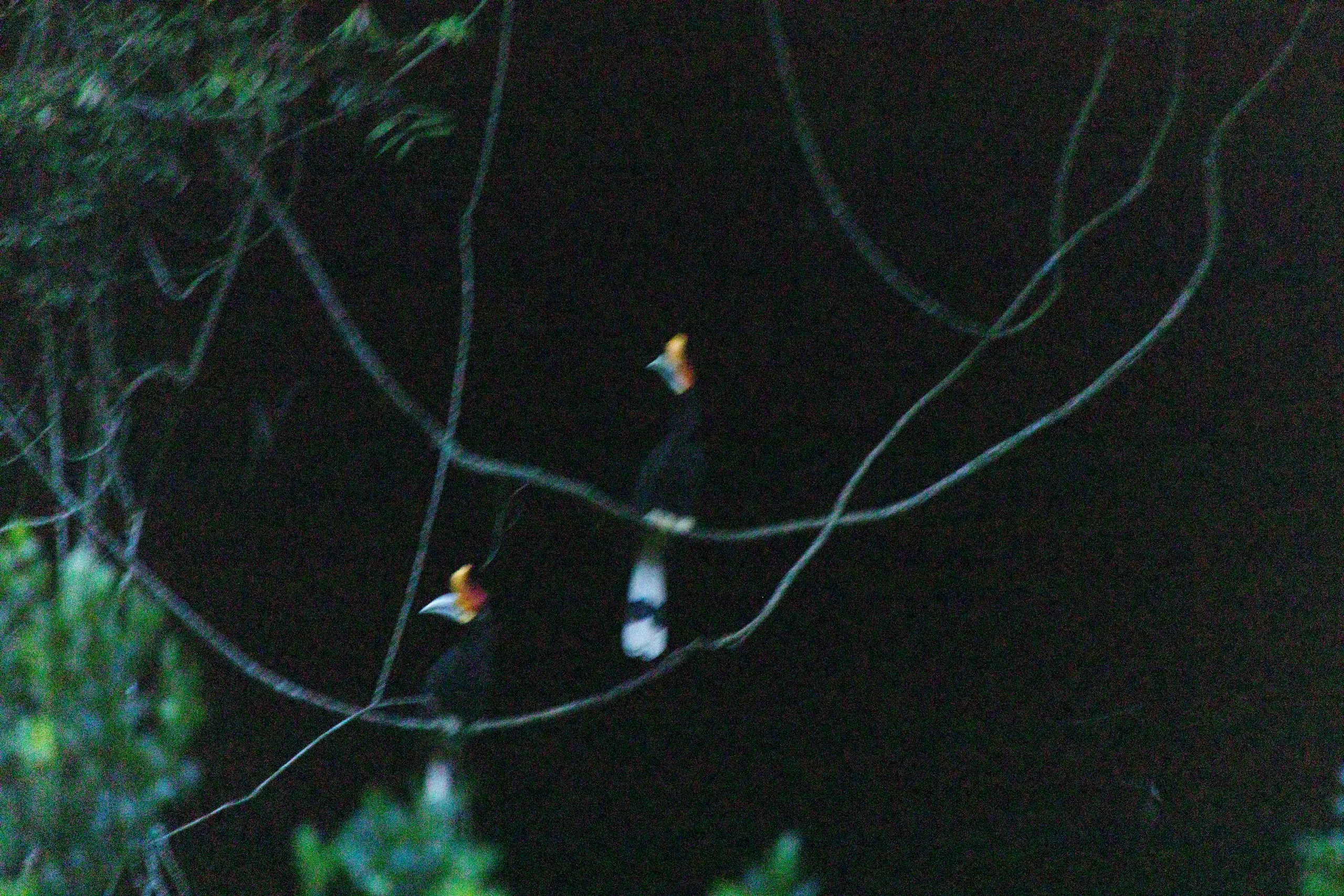
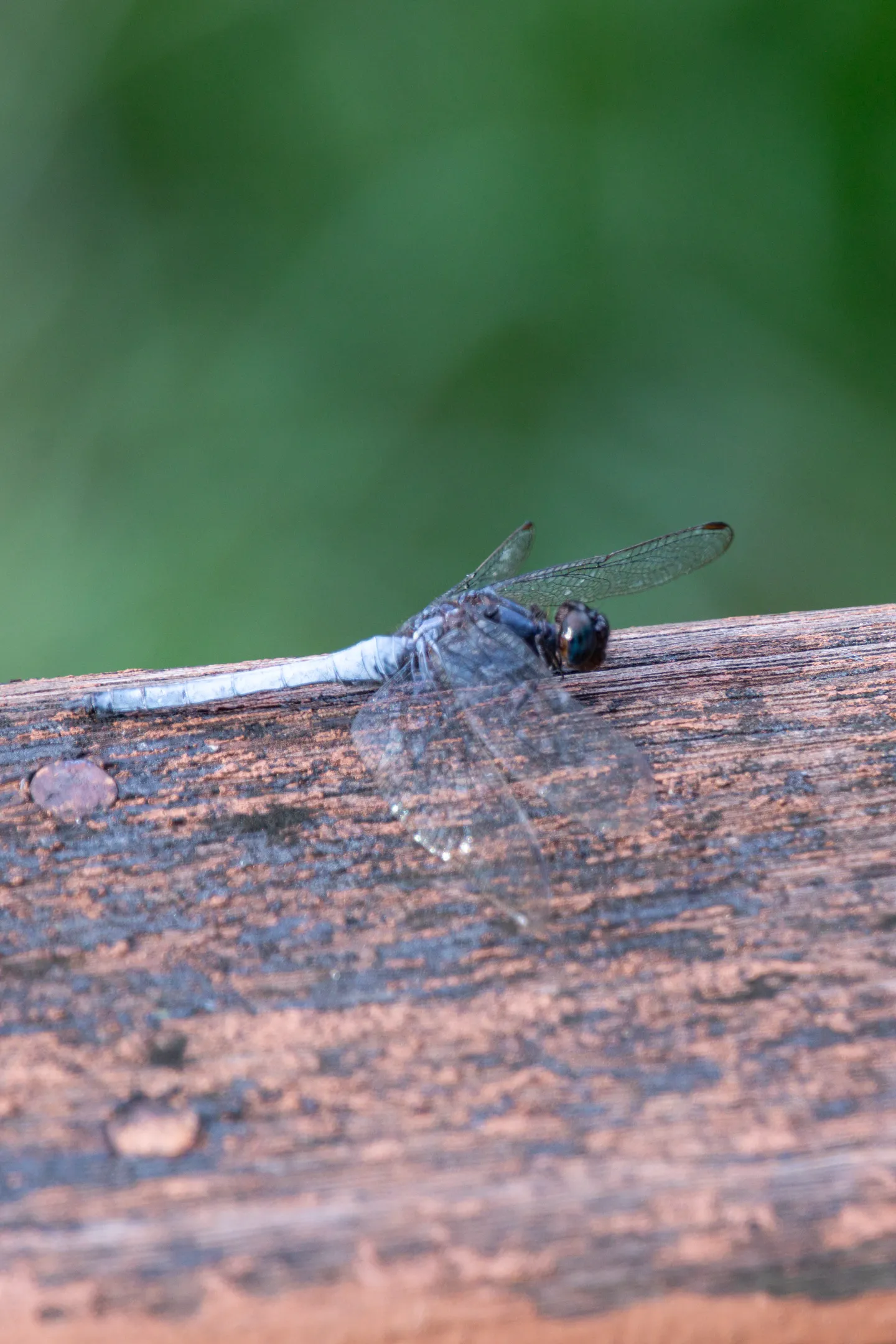

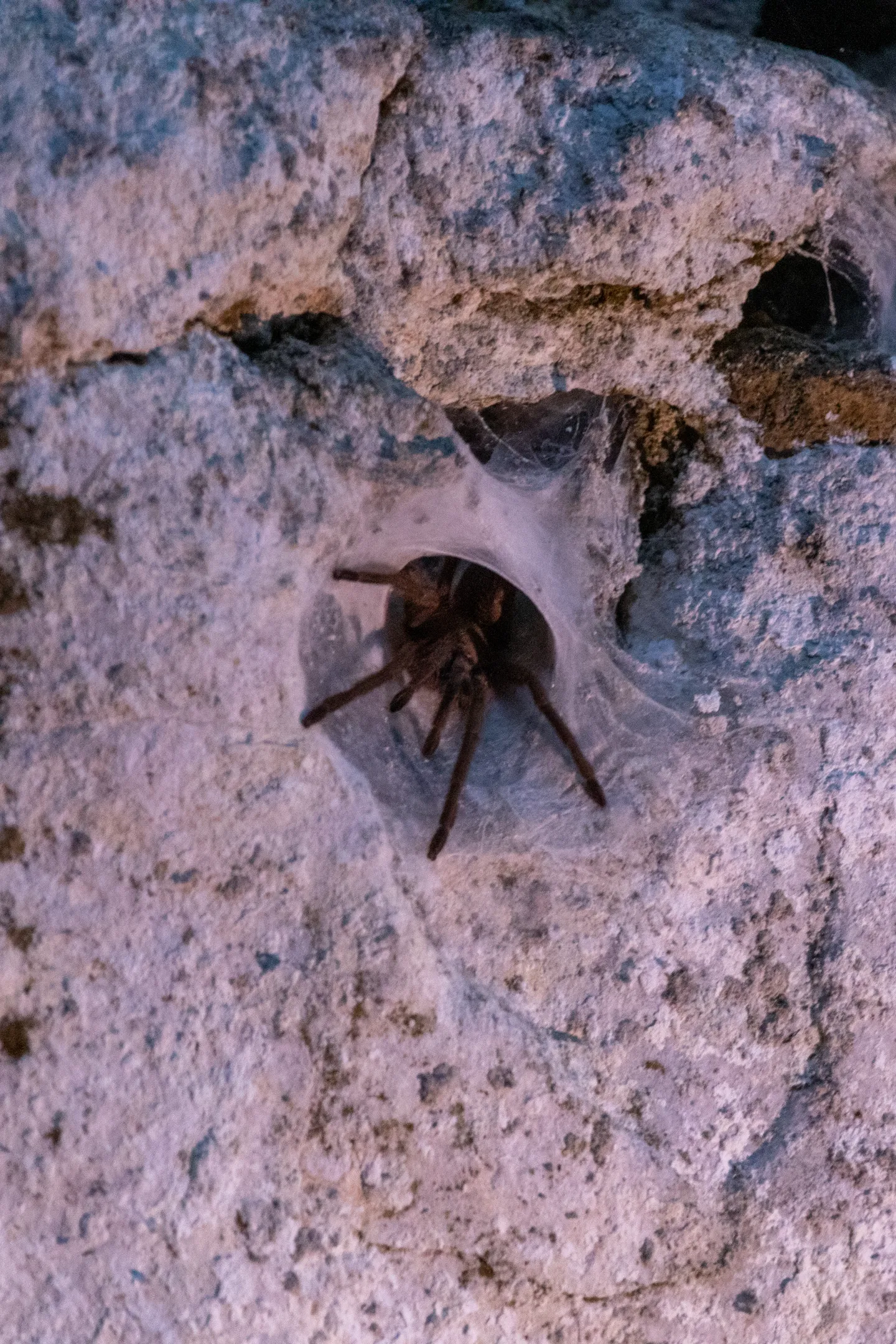
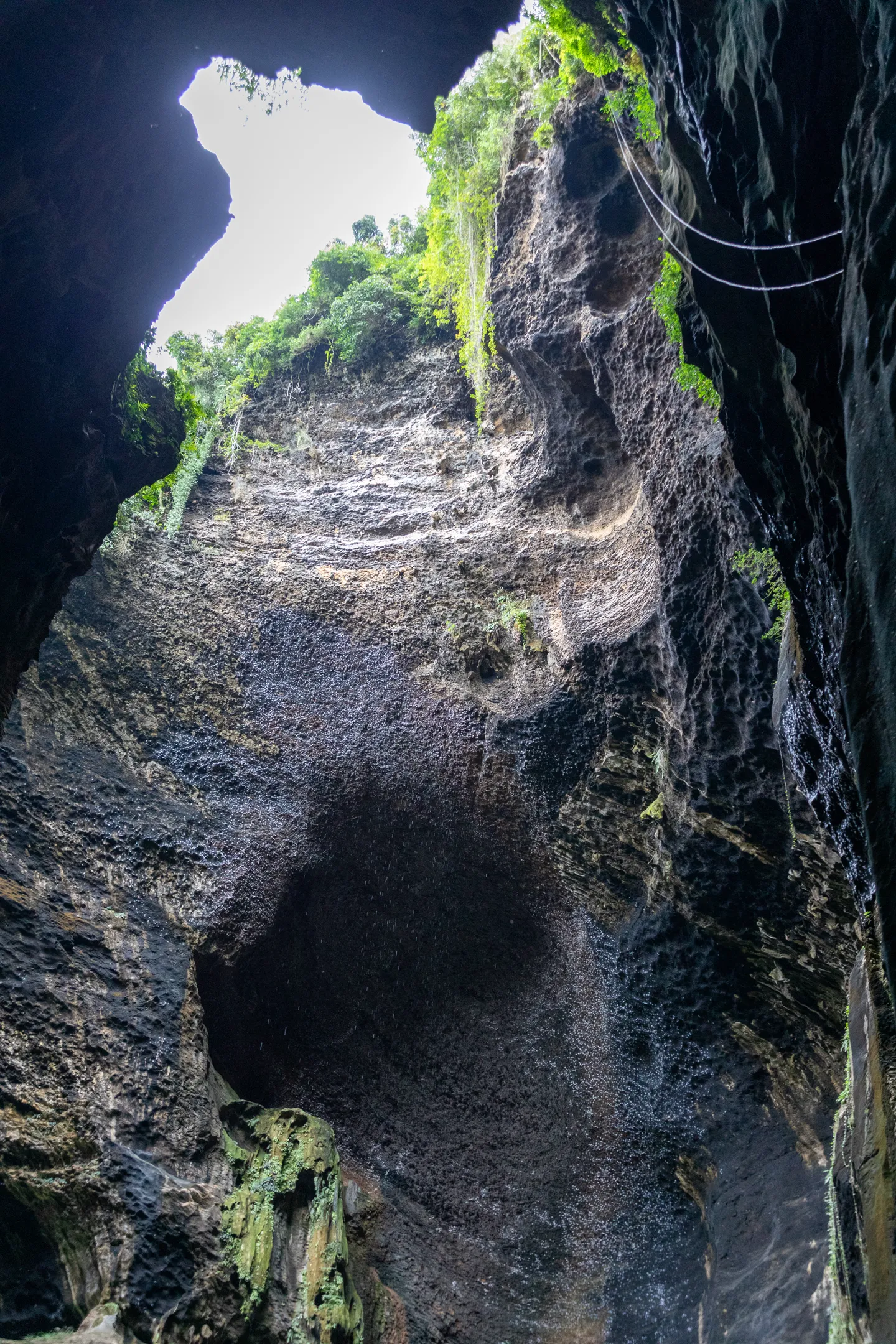
I estimate the height at 30m (90 freedom units)
After touring the cave, we climb approximately 666 steps to reach the upper cave exit, where we expect the bat colony's evening outing. The climb is reminiscent of the Wall of Tears in the Galapagos, and I found myself cursing inwardly just as much. Just before we reach the top, someone in the group realizes they've forgotten something, and Forrest and I joke about how convenient it would be if Lucy (from the Galapagos group) were there: Not only would she have been back in five minutes, she would have also brought drinks for everyone, and not a drop of sweat on her forehead...
Unfortunately, we are not rewarded because the bats do not fly or do not fly out via this exit. We have funny conversations instead, though.
At dinner, James and I are once again dealing with our last stash of chili powder to somehow enhance the less-than-average food, when I overhear Forrest telling the others that the real reason for the trip isn't to see all the animals, plants, nature, and so on, but to experience how I slowly lose my mind over the food being served. This explains a lot.
Leave a Reply
You must be logged in to post a comment.